Why sizing matters more than brand
A furnace that is too big heats the house in short blasts, cycles constantly, wears out early and never keeps the temperature even. A furnace that is too small runs flat out on the coldest nights. Many homes in our area have furnaces that are 30 to 50 percent oversized because the last installer matched the old unit or guessed by square footage. We measure the house, count windows and doors, check insulation and calculate the actual heat loss. The right size is often smaller, quieter and cheaper than what came out.
Single-stage, two-stage or modulating
A single-stage furnace is either off or on full. It is the least expensive and fine for a small, well-insulated home. A two-stage furnace runs at a lower setting most of the time and only ramps up in deep cold, which means longer, quieter, more even heating and better dehumidification when paired with AC. A modulating furnace adjusts in tiny steps and holds the temperature within a fraction of a degree. We'll show you the price difference and the gas savings for each, and tell you honestly which one makes sense for your house.
Pairing with a heat pump
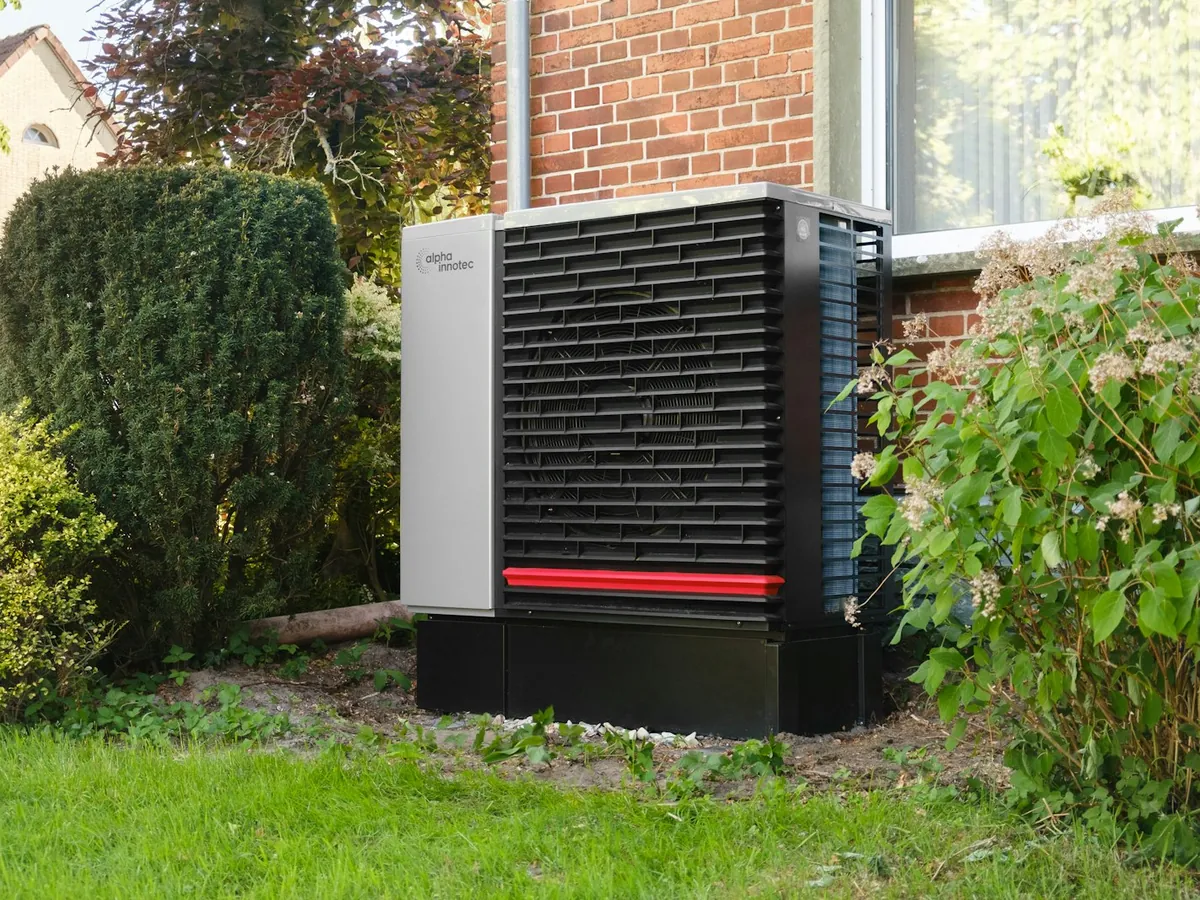
More and more of our furnace replacements are now hybrid systems: a cold-climate heat pump that does most of the heating at a lower cost than gas, with a high-efficiency furnace as backup for the deepest cold. If your AC is also near the end of its life, this is worth a serious look, and it unlocks rebates that a furnace alone does not. See our heat pump page for how it works.